

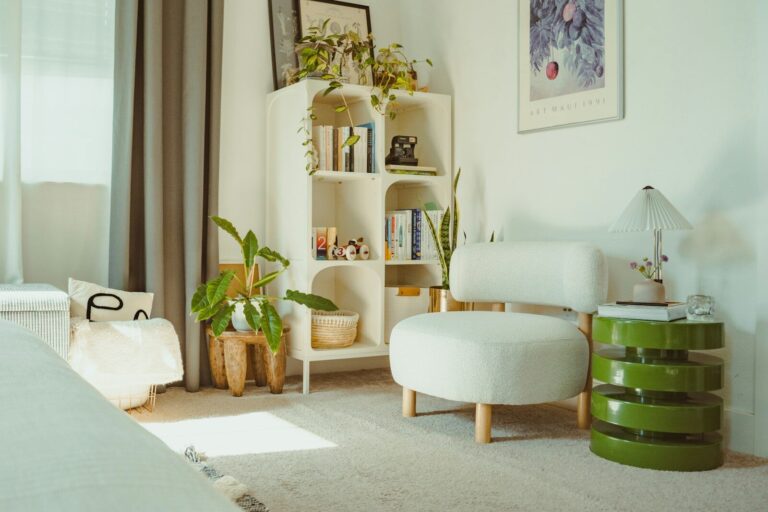
Small spaces have a way of clarifying what matters. When space is limited, every decision carries a little more weight—what to keep, what to let go, and how each piece earns its place. There’s less room for excess, but often more room for intention.
Living thoughtfully in a smaller space isn’t about sacrifice. It’s about alignment. Furnishings need to serve more than one purpose. Decor needs to contribute without overwhelming. Storage becomes part of the design rather than an afterthought. The result isn’t sparse or unfinished—it’s calm, functional, and deliberate.
This way of living naturally slows things down. You learn to live with a space before changing it. To adjust rather than replace. To choose items carefully, knowing they’ll be seen and used every day. In a small home or a modest room, quality matters more than quantity, and simplicity becomes a form of comfort rather than restraint.
Even in larger homes, the lessons hold. Thoughtful living isn’t tied to square footage. It’s a mindset—one that values clarity over clutter and usefulness over accumulation. Small spaces simply make that truth easier to see.
The Value of Doing It Yourself
There’s a certain satisfaction that comes from doing things yourself. Not because it’s faster or cheaper—often it isn’t—but because it changes the relationship you have with your home. When you take the time to repair, adjust, or improve something with your own hands, the space becomes more familiar, more personal.
Doing it yourself encourages attention. You notice how things are built, how they wear, and how they can be improved rather than replaced. Small repairs become opportunities to learn. Modest projects build confidence. Over time, this creates a sense of stewardship—a willingness to care for what you have instead of constantly looking for something new.
DIY work doesn’t require expertise or specialized tools to be meaningful. It starts with simple tasks: tightening, adjusting, repairing, improving. These small efforts add up, not just in the condition of a home, but in how it feels to live there. A space shaped by your own effort carries a different kind of value—quiet, earned, and lasting.
Perhaps most importantly, doing it yourself slows the process down. It encourages patience, planning, and respect for materials. In a culture that favors convenience, choosing to learn and participate becomes a deliberate act. The result isn’t perfection, but progress—and a home that reflects care rather than haste.
A Closing Reflection
A home is shaped over time, not all at once. It’s built with intention, lived in with awareness, and improved through small, thoughtful decisions. Repair becomes a way of extending the life of what already exists. Smaller spaces teach clarity. Doing the work yourself builds understanding and respect for the place you call home.
None of this requires perfection or expertise. It asks only for attention—paying notice to what works, what needs care, and what truly adds value. The craft is found in those choices, made quietly and consistently, long after the initial work is done.
In the end, a well-considered home isn’t about how it looks to others. It’s about how it supports daily life. When building, repair, and thoughtful living come together, the result is something lasting: a space shaped not by trends or haste, but by care, patience, and purpose.
