

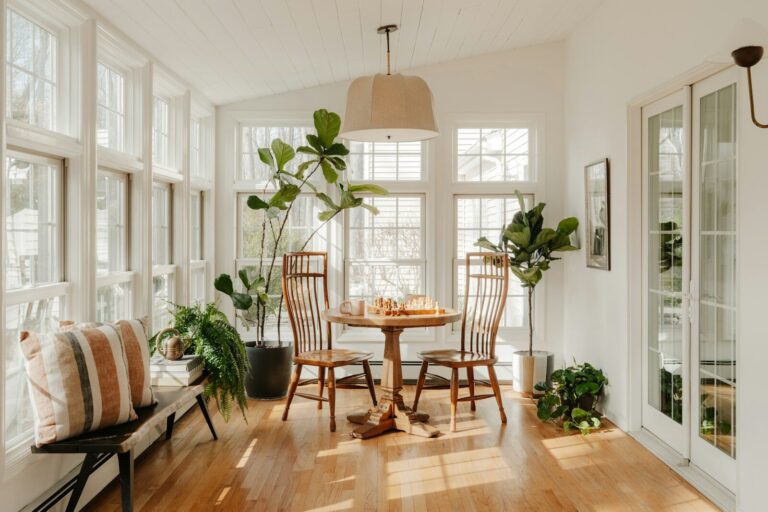
Over the past 40 years, I’ve spent my life building, remodeling, and restoring homes. But the most important lessons didn’t come from blueprints or power tools — they came from listening. Listening to the people who run these homes, the people who live in them day in and day out, taught me what makes a house truly feel like home. It’s not just walls and floors; it’s how a space supports life, habits, and the small moments that turn a house into a sanctuary.
For most of my career, my focus was on precision, durability, and doing things the right way, even when no one would ever see the work behind the walls.
But somewhere along the way, I realized something important.
A home is more than a project.
It’s an extension of who we are.
Working alongside accomplished decorators and designers opened my eyes to a deeper layer of craftsmanship. I began to understand that the hardware of a home—the lighting, the tile, the layout, the materials—should always support the software: the daily routines, personal style, quiet moments of self-care, and the life unfolding inside those walls. In many ways, a home should feel like your favorite outfit: comfortable, flattering, functional, and unmistakably you—beautiful in a way that makes everyday life feel effortless.
Just as important, I learned that the most valuable insights rarely came from plans or product catalogs. They came from listening—especially to the women who run these households. The ones who know exactly how a space is used, where beauty truly matters, and where function cannot fail. Their perspective has shaped my work more than any trend ever could.
Over the years, those conversations have been remarkably consistent. What’s wanted isn’t excess or showmanship, but spaces that work beautifully without sacrificing style. Homes that feel calm, intentional, and supportive. Rooms that make daily life smoother, not louder.
A beautiful home isn’t just built.
It’s curated.
Function should never cancel out beauty.
And beauty should never feel impractical.
My mission with The Polished Craftsman is to share four decades of pro-only remodeling knowledge—insights usually reserved for job sites and closed-door conversations—paired with a genuine appreciation for design, fashion, and personal care. Everything I write is grounded in what I’ve heard, observed, and learned by paying attention to how homes are actually lived in.
Here, craftsmanship meets intention.
Structure meets soul.
Whether we’re talking about a kitchen renovation, a lighting decision, or the rhythm of daily life within a home, the goal is always the same: to help you curate a life and a home that looks as good as it feels.
A House Versus A Home
Anyone can build a house. You can follow a set of plans, check the boxes, pass inspection, and move on to the next project. But a home is different.
A home has to work quietly in the background. It has to support real life—laundry days, rushed mornings, holidays, guests, quiet evenings, and everything in between. When a home is designed without intention, it creates friction. When it’s designed thoughtfully, it creates ease.
That difference doesn’t come from square footage or luxury upgrades. It comes from understanding how people actually live.
Polish Is Not About Perfection
Over the years, I’ve learned that “polished” doesn’t mean perfect. It doesn’t mean magazine-ready or overly styled. Polish is about clarity. It’s about spaces that feel finished, purposeful, and considered.
Much like a favorite outfit, a polished home doesn’t call attention to itself—it simply feels right. Everything has a place. Nothing feels forced. The space supports you instead of demanding your attention.
The people I worked with understood this instinctively. They weren’t chasing trends. They wanted homes that felt intentional, comfortable, and quietly confident.
Craftsmanship with Respect
True craftsmanship isn’t just about how something is built—it’s about why it’s built that way. It requires respect for the people who will live with the results long after the tools are packed up.
Listening became one of the most valuable skills I ever learned. It shaped how I approached design, problem-solving, and even the smallest details. Because those details—the height of a counter, the flow of a room, the way light enters a space—are what make a home livable.
Building A Real Life
After four decades in this work, I no longer believe that good homes are accidental. The best ones are the result of intention, experience, and listening.
A home should feel as polished as the life you’re building inside it. Not because it’s flashy or expensive, but because it’s designed with care, purpose, and an understanding of who truly runs it.
That belief is the foundation of everything I do—and everything I write about here at The Polished Craftsman.
Because a home isn’t just where you live. It’s where your life unfolds.
